




China’s automotive market showed signs of recovery in May 2026, with new energy vehicles (NEVs), exports, and premium models continuing to serve as key growth drivers. As major automakers released their monthly sales and delivery figures, the data revealed improving momentum despite ongoing market uncertainties.
According to industry analysts, the market displayed a strong start at the beginning of May, supported by holiday promotions and lingering demand generated during the Beijing Auto Show. However, growth softened later in the month due to intensified competition, fluctuating fuel and NEV prices, and adverse weather conditions in some regions. As a result, consumer purchasing decisions became increasingly cautious.
Leading Automakers Maintain Strong Market Positions
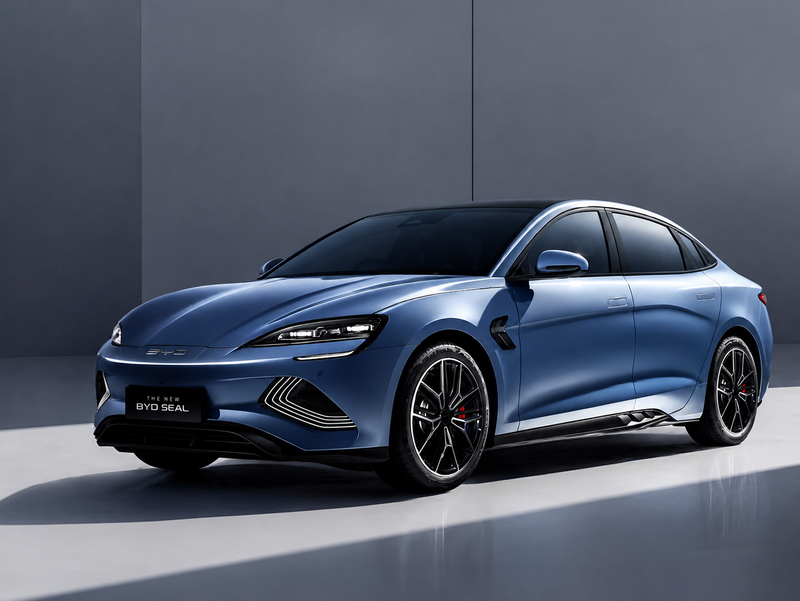
Among China's major automotive groups, BYD regained the monthly sales crown with 383,500 vehicles sold in May, up slightly year-on-year. Passenger vehicle sales reached 377,000 units, representing a 20% increase from April. Notably, BYD exported 160,600 NEVs during the month, highlighting the growing importance of overseas markets in supporting overall growth.
SAIC Motor sold 349,000 vehicles in May, maintaining its position among the industry's leading manufacturers. The company recorded strong performance in three key areas: self-owned brands, NEVs, and exports. New energy vehicle sales increased by 46.5%, while overseas sales rose by 32.5%, demonstrating continued improvement in its sales structure.
Geely Auto delivered 237,600 vehicles in May, achieving both year-on-year and month-on-month growth for the third consecutive month. NEVs accounted for more than half of total sales, while exports reached a record 85,100 units. Premium brands such as Zeekr continued to gain momentum, reflecting the growing contribution of high-end products to profitability and brand value.
Chery Group maintained strong growth, selling 247,800 vehicles, up 20.5% year-on-year. The company’s NEV sales surged by 58.8%, while exports increased by 80.5%, reinforcing its position as one of China's strongest automotive exporters.
Industry experts note that competition among leading automakers is increasingly defined not only by sales volume, but also by NEV transformation speed, export capability, brand positioning, and profitability.
New EV Brands Continue to Expand
China’s emerging EV manufacturers also delivered impressive results in May.
Leapmotor reached a record 81,600 units, representing an 81% increase year-on-year. Strong demand for newly launched models helped drive growth and further strengthen its market position.
NIO delivered 37,700 vehicles, with all three brands—NIO, ONVO, and Firefly—contributing to sales growth. The company’s multi-brand strategy is beginning to expand its market coverage across different price segments.
Li Auto sold 33,400 vehicles, supported by continued demand for its Li i6 and newly launched Li L9 models. Meanwhile, XPENG delivered 32,200 vehicles, driven by strong early orders for the new XPENG GX, which further reinforced the company's technology-focused brand image.
Other notable performers included:
- Harmony Intelligent Mobility Alliance (HIMA): 46,100 units
- Xiaomi Auto: Over 30,000 units
- AION Hyper: 33,100 units
- eπ Technology: 24,800 units
- IM Motors: 10,000 units
- ARCFOX: 17,900 units
The continued expansion of the "10,000-unit monthly sales club" highlights the growing depth and competitiveness of China's NEV market.
Market Outlook
Industry observers believe that June may face headwinds from seasonal factors, including agricultural activities, high temperatures, and weather-related disruptions. However, mid-year sales campaigns, regional auto shows, and new vehicle launches are expected to provide additional support.
Overall, May's improvement appears to represent a structural recovery rather than a broad market rebound. The continued rise in NEV penetration, sustained export growth, and expanding sales volumes among emerging EV brands indicate that China's automotive industry remains on a solid growth trajectory.
 NO DATA
 Global Automakers Intensify Investment in Next-Generation EV Platforms


 +86-021 62770039
 +86-021 62770039
 +86-18721261510
+86-13023212985

 Room 5501, 55th Floor, No. 479 Lujiazui Ring Road, Pudong, Shanghai, China